

Premium Foundation & Anchor Bolts Manufacturer
we look at a massive industrial warehouse, a towering wind turbine, or a sprawling solar panel array, our eyes naturally drift upward. We admire the massive steel beams and the engineering marvels stretching into the sky.
But at JVS Fasteners, we look down.
We look at the concrete base, because we know that a structure is only as strong as the bond connecting it to the earth. That bond is forged by Foundation Bolts (often called anchor bolts). If they fail, the entire investment risks failure.
Here is a practical look at what makes these fasteners the literal foundation of modern infrastructure, and how to choose the right one for your next project
- Primary structural anchor
- Load and tension transfer
- L-Type, J-Type, and Plate-Type configurations
- Grade 4.6, 8.8, and Stainless Steel materials
- Hot-Dip Galvanized (HDG) and Zinc anti-corrosion coatings
- Cast-in-place or chemical epoxy installation
- Irreplaceable structural component once concrete cures
- Critical for solar structures, wind turbines, and industrial framing
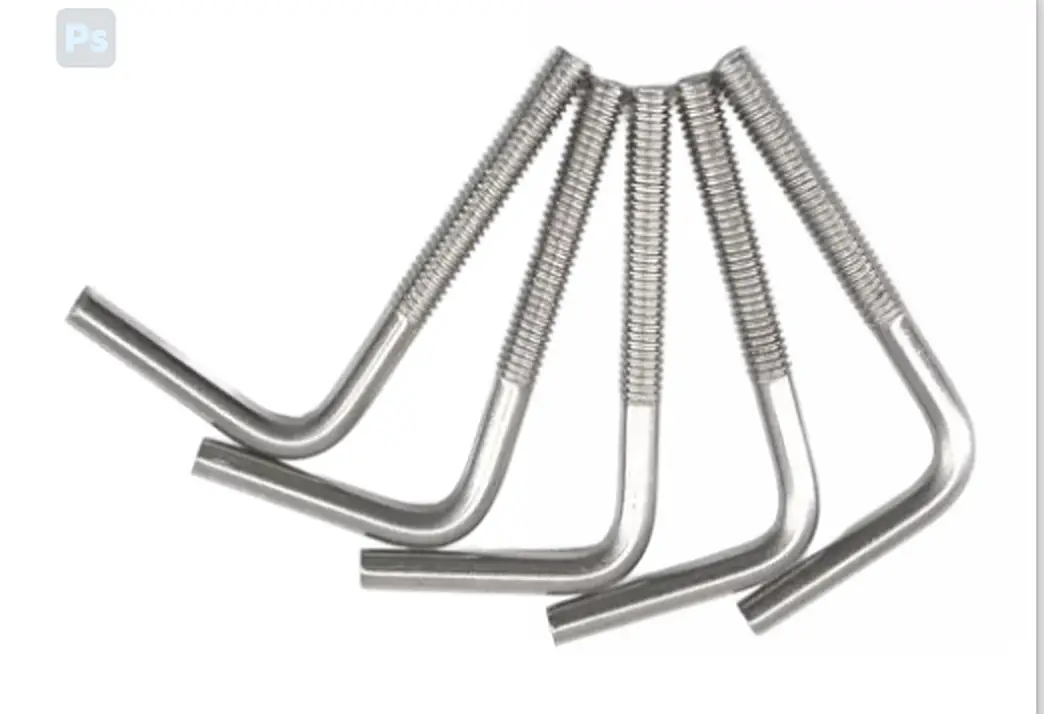
L-Type Foundation Bolts
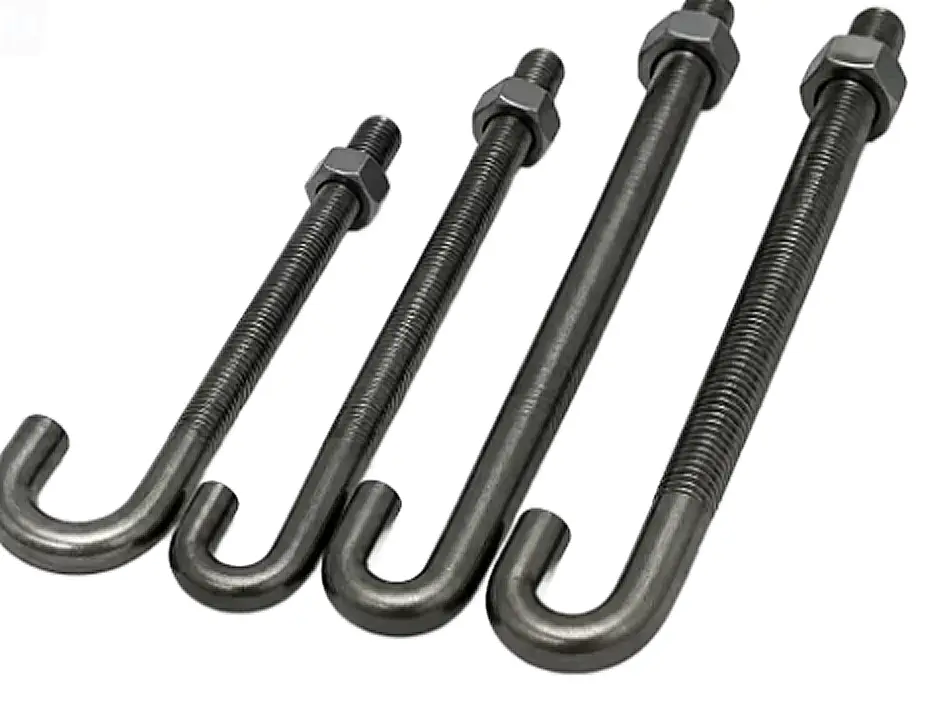
J-Type Foundation Bolts
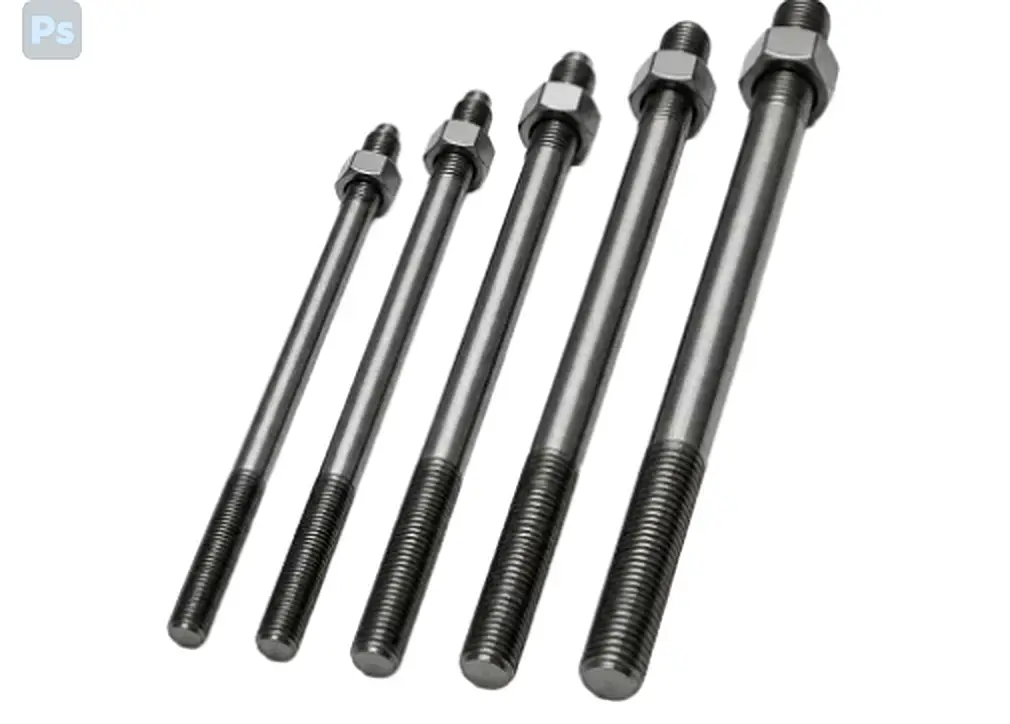
Plate-Type Anchor Bolts
Why Choose Foundation Bolts for Your Project?
you are anchoring heavy steel columns, industrial machinery, or solar panel structures to the ground, standard fasteners or expanding wall plugs simply won’t cut it.
Here is exactly why a foundation bolt is the only right choice for the job:
- Unmatched Tensile Strength: They are specifically engineered to handle massive upward pulling forces (like strong winds hitting a warehouse roof or a solar array).
- Vibration Resistance: Unlike mechanical anchors that can loosen over time, foundation bolts cast directly into concrete won’t budge under the constant vibration of heavy factory machinery.
- Permanent Bonding: By embedding deep into wet concrete before it cures, the bolt becomes an actual, permanent extension of the building’s concrete foundation.
- Massive Load Distribution: Designs like J-bolts or Plate-type bolts distribute weight and tension deep across a wide area of concrete, preventing the concrete from cracking or pulling apart.
- Long-Term Reliability: Available in high-tensile steel (Grade 8.8) and heavy anti-corrosion coatings (like Hot-Dip Galvanized), they are built to last the entire lifespan of the building without rust or failure.
Frequently asked questions
L-bolts use a bent hook to grip the concrete, while Plate-bolts use a flat steel plate at the bottom to hold significantly heavier loads.
It is extremely difficult and expensive. It requires heavy core-drilling and chipping, which is why getting the quality right the first time is critical.
HDG provides a much thicker, tougher rust-proof layer that survives both the wet concrete pouring process and long-term underground moisture.
Use Grade 4.6 (mild steel) for light structures like signposts. Use Grade 8.8 (high-tensile) for heavy industrial columns, machinery, and solar structures. All the Lorem Ipsum generators.
The exact depth is calculated by an engineer, but a standard rule of thumb is a depth of at least 12 to 15 times the bolt’s diameter.